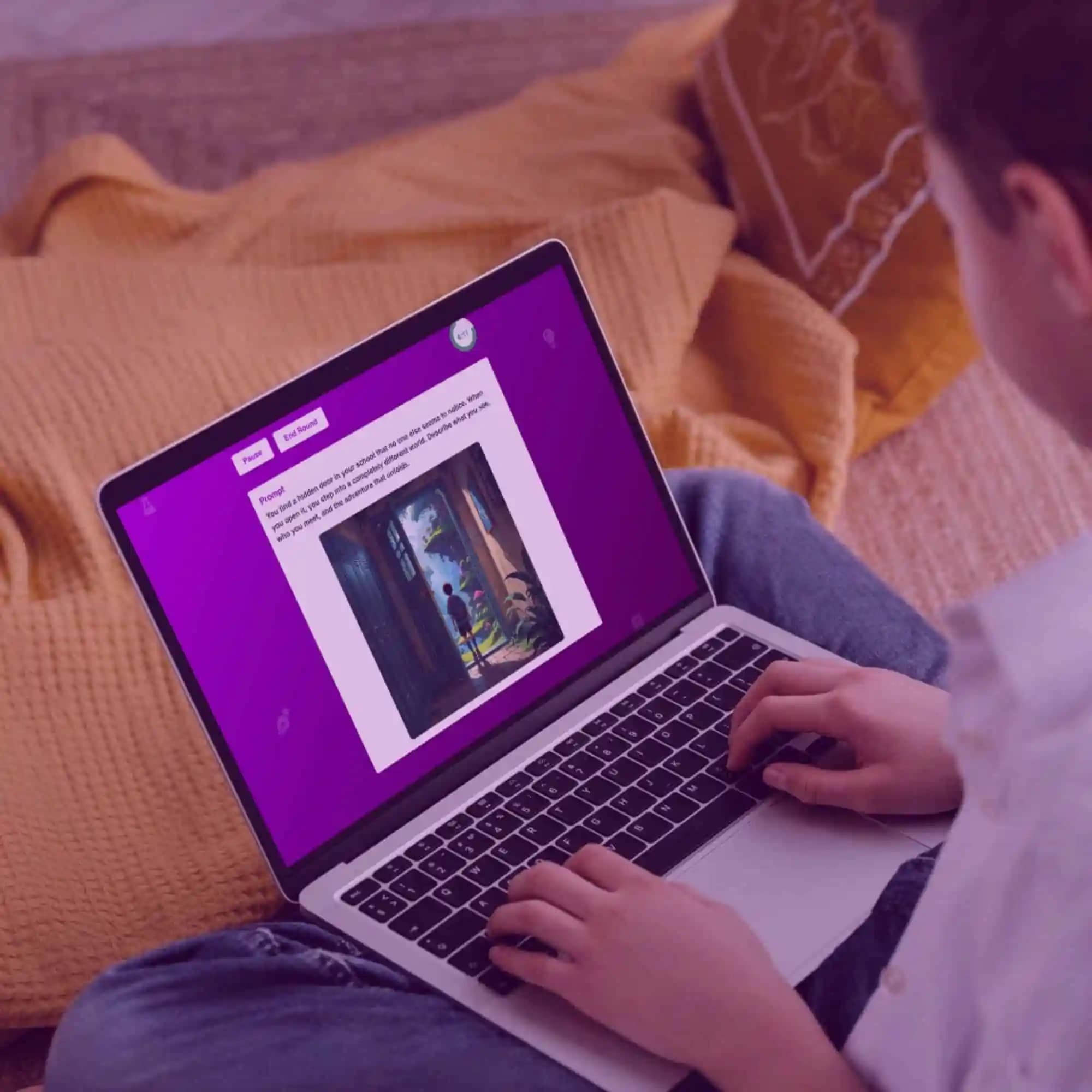
Fun Writing Practice Students Ask For Every Time
Turn any prompt into a game that even your most reluctant students get excited to write, authentically, using their own voice, without any AI shortcuts or copy-paste, and get real insight into how every student in your class is growing as a writer.
Set up your first game in under 5 minutes.
USED BY ELA TEACHERS IN SCHOOLS & CLASSROOMS LIKE





















Your Students' Writing Skills Aren't Improving. What's Worse, They Don't Want to Write.
You already know the moment. You hand out a writing prompt, and the room goes quiet in the wrong way. You hear the sighs, the kind students only make when they're dreading what's coming next.
Here are some reasons why students don't want to write
It's boring.
Another prompt, another five paragraphs nobody but you will ever read. Without a real reason to write, the assignment feels like homework for homework's sake.
AI makes it easy to fake it.
Why give a writing homework assignment when a chatbot can fill it in ten seconds? Once that shortcut exists, a through a hard sentence stops feeling worth it.
The topics aren't theirs.
Assigned prompts rarely touch anything your students actually care about. When a topic feels is not relevant to their world, your students disengage.
Mistakes feel dangerous.
When every sentence gets graded, the safest move is writing as little as possible. The risk-taking that actually makes writing improve starts to disappear.
Minimum effort, maximum relief.
Your students write just enough to be done, not enough to say something. The goal quietly shifts from communicating an idea to simply finishing the page.
They write like they text.
Fragments and shorthand, because that's the only writing that feels like theirs. Formal writing starts to feel like a foreign language they're forced to translate into.

No surprise, these are the results
Writing skills that keep sliding
Skills should build year over year, but without real, frequent practice, they plateau, or slide backward instead.
Writing with no identity in it
You can't tell one student's voice from another's, or from a chatbot's, because nothing personal ever made it onto the page.
Test scores that reflect it
National writing proficiency keeps dropping, and motivation starts declining as early as third grade, long before it shows up on a report card.
None of that means your students have nothing to say.
It means writing stopped feeling worth saying it.
Writing Is Hard. That's Not the Problem.
Before we talk about motivation, it's worth naming why writing feels so heavy in the first place. The difficulty is real, and most of what makes it hard has nothing to do with whether a student is "good at writing."

The mental load
Any word the student chooses can send their story in a dozen different directions.
There's no immediate feedback, the student doesn't know if it's working until someone reads it.
The student has to get ideas, characters, and arguments from their head onto the page in a way that makes sense.
It demands focus in a world full of distractions.
Aiming for perfection
Students try to get the perfect draft on the first pass.
Every word feels like it has to be exactly right before moving on.
The whole piece has to hold together before they feel safe sharing a single sentence.
Practice is the whole point.
Nobody gets better at writing by doing it once a month. Think about something else that felt impossible at first, and what actually changed.
Remember when you started driving for the first time? It was hard, right?
Every turn felt uncertain. You had to think about the mirrors, the pedal, and the lane all at once.
But you practiced… and practiced… and practiced.
Not because someone lectured you about driving theory, but because you got behind the wheel again and again until the hard parts started to feel normal.
And without realizing it, you got better.
Checking your mirrors became automatic. Merging didn't freeze you up. The skills stacked up quietly, one drive at a time.
Writing works the same way. Students don't need another reminder that writing matters. They need enough reps, in a setting low-stakes enough, that it starts to feel doable.
But if students find writing boring, how do we get them to practice?
Well... what if writing was fun?
Story Writing Lab makes writing enjoyable and helps your students build confidence while teachers see them write more, without the usual struggle

How Story Writing Lab works
One Game. Four Things Happen.
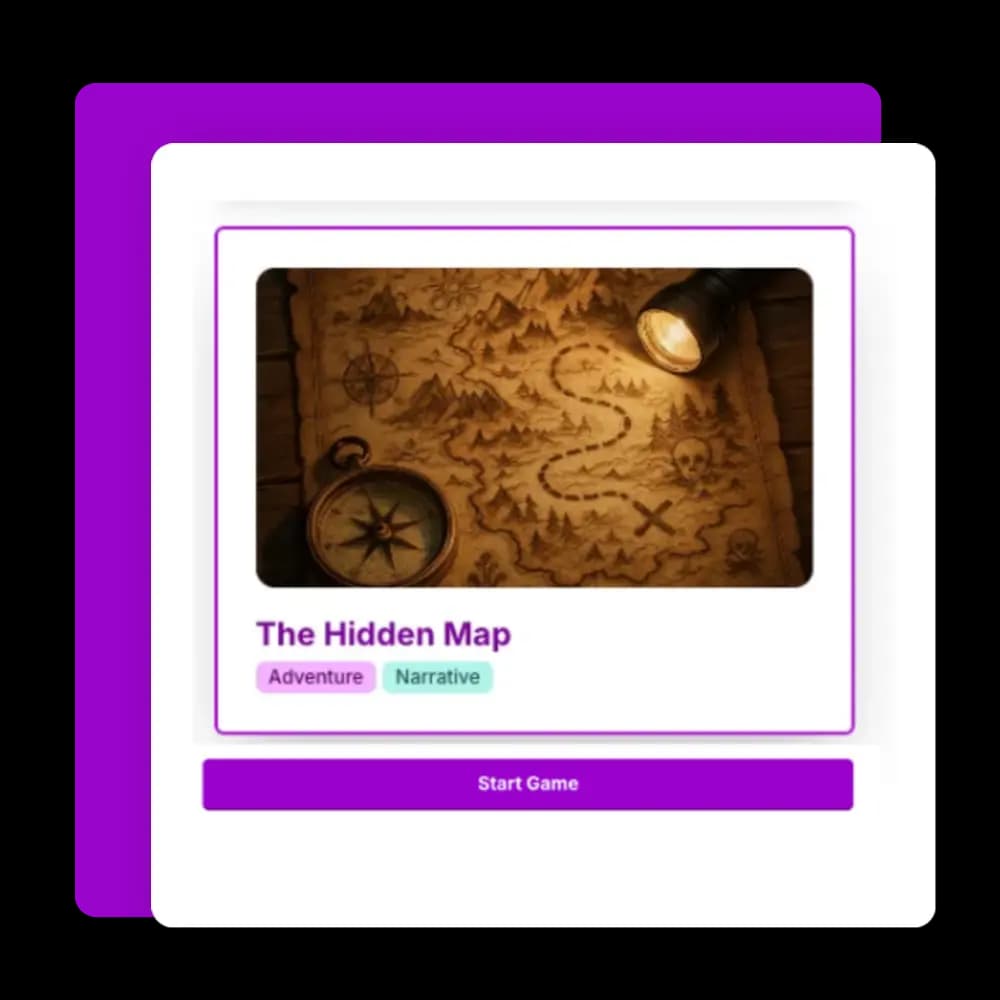
Play
Students join with a code, no account needed, and play a story-based writing challenge with a twist that makes the prompt feel like theirs.
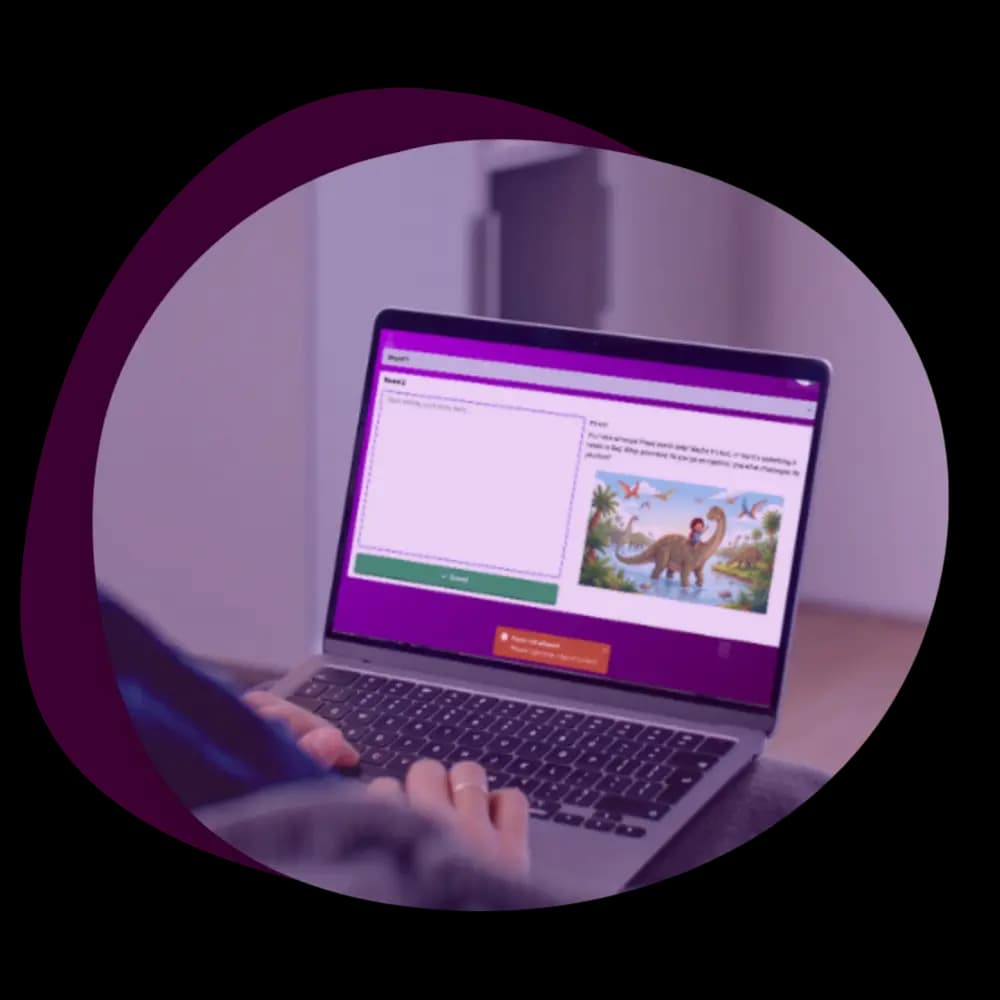
Protect
Copy-paste is disabled inside every challenge. Students can't paste in AI-generated text or copy someone else's paragraph. Whatever ends up on the screen is what that student actually typed, in real time.

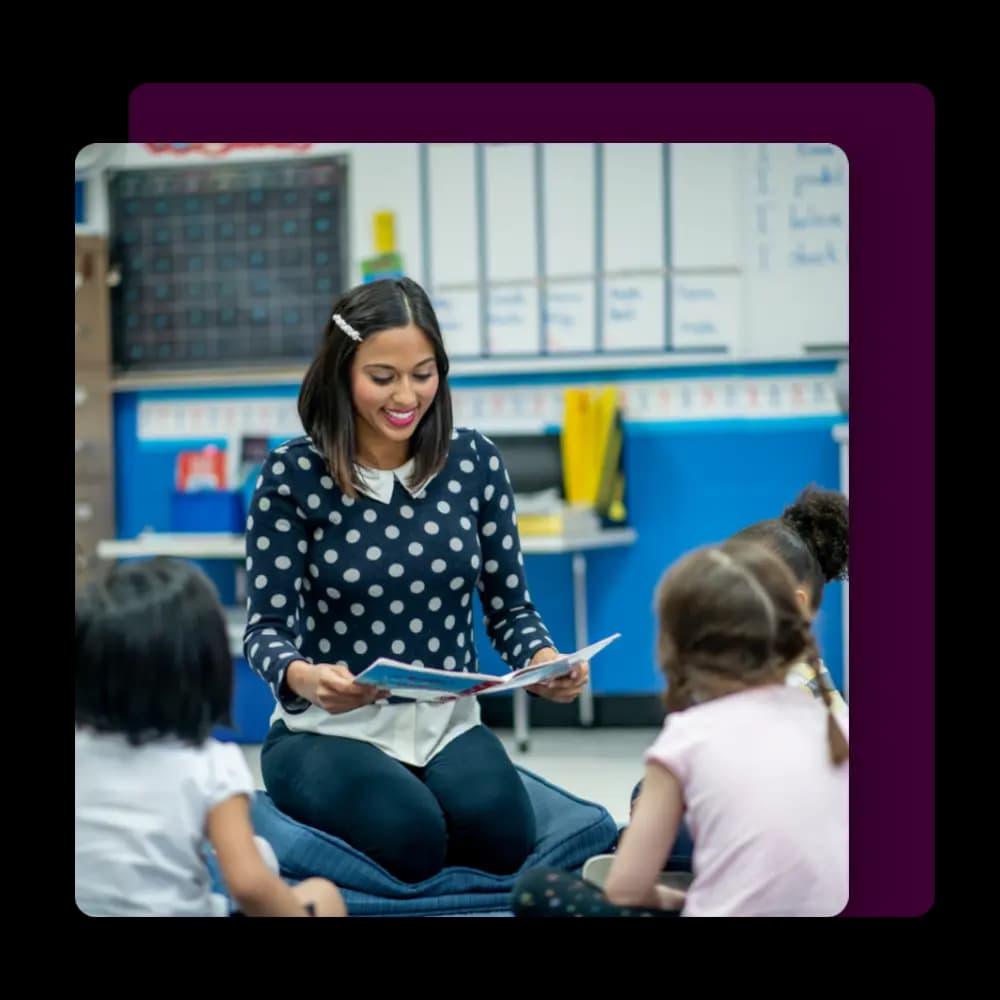
Read
Every round, students read each other's stories and vote anonymously for their favorites. Writing stops being something only the teacher ever sees. They start sharing their writing with an audience that matters to them.
Understand
After the game, you get participation analytics, and assistance from our AI to provide feedback and grade it against your own rubric, exportable and ready to share, reducing the feedback your students need, which is where they grow as writers.
MADE FOR THE PEOPLE RUNNING THE ROOM
Built for ELA Teachers Like You
Story Writing Lab grew out of conversations with ELA teachers in grades 3–8 helping students write confidently. If your students freeze up at a blank page, the game format lowers the stakes enough that they start writing before they realize they were nervous.
What Teachers Are Telling Us
“
One of my students who's highly intelligent and often gets bored with normal writing assignments showed active engagement and enthusiasm. I love that it's timed and engaging. It breaks writing down into reasonable sections, pushes creative thinking, challenges them in a fun way, and prepares them for timed tests like state exams.
Kelsey Comer
Teacher
“
The number of available prompts is incredible, and there's always something relevant for my students. My students love that I can write for their favorite genre, it really makes them feel seen. This is a platform made by people who actually use it.
Amber van den Eshof
Teacher
Backed by
Texas Tech Accelerator
We have the support of the Texas Tech Accelerator in our mission to help students grow as writers. Read how we got here →Frequently Asked Questions
Give Your Students a Reason to Write
Set up your first game in under five minutes. No lesson plan required.