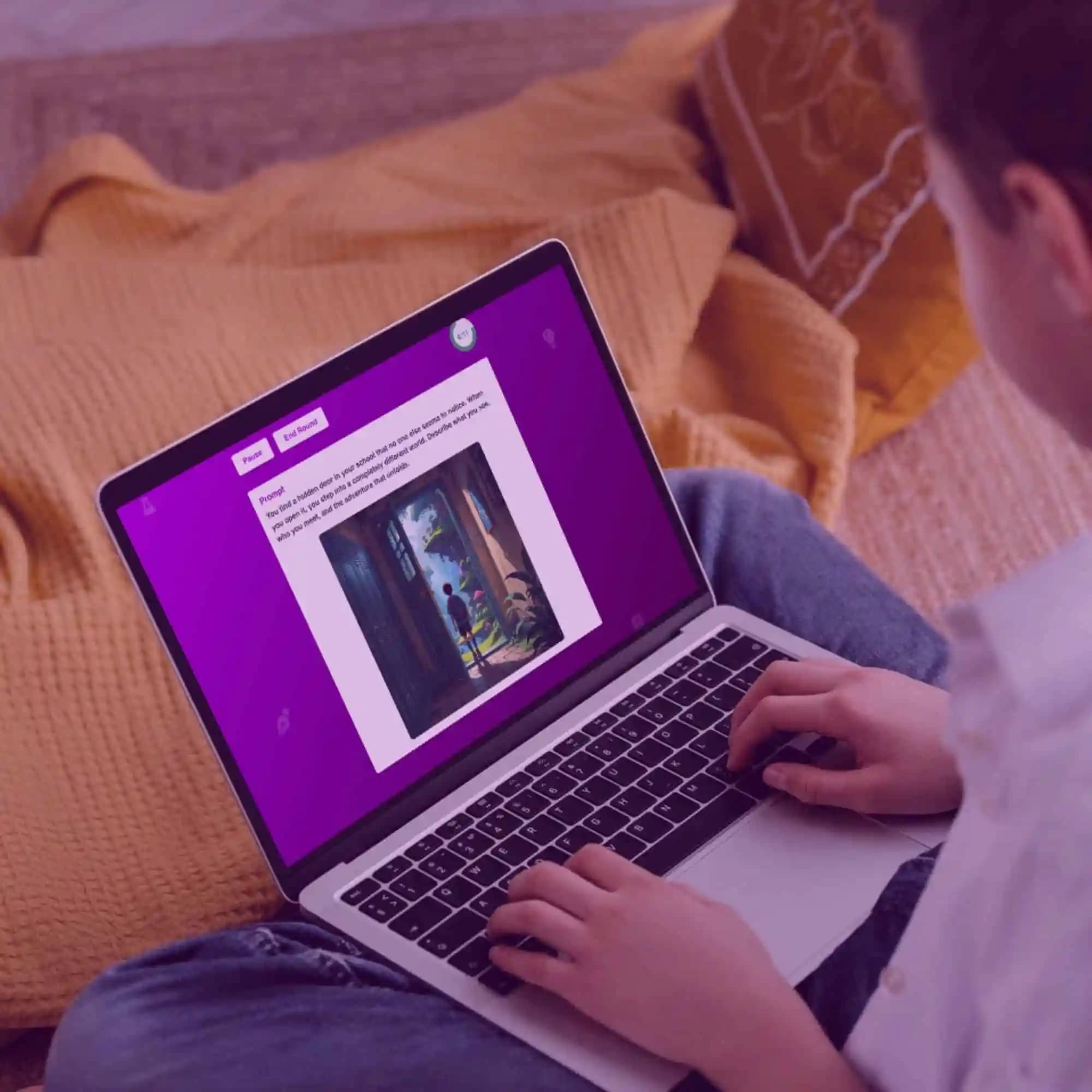
Turn flat writing into writing with a voice.
Story Writing Lab gives students a real audience. Classmates read and vote anonymously, prompts span a dozen topics, and copy-paste is off, so every word is their own.
No student accounts requiredSet up your first game in under 2 minutes
USED BY ELA TEACHERS IN SCHOOLS & CLASSROOMS LIKE















You know the paper. Nothing’s wrong with it.
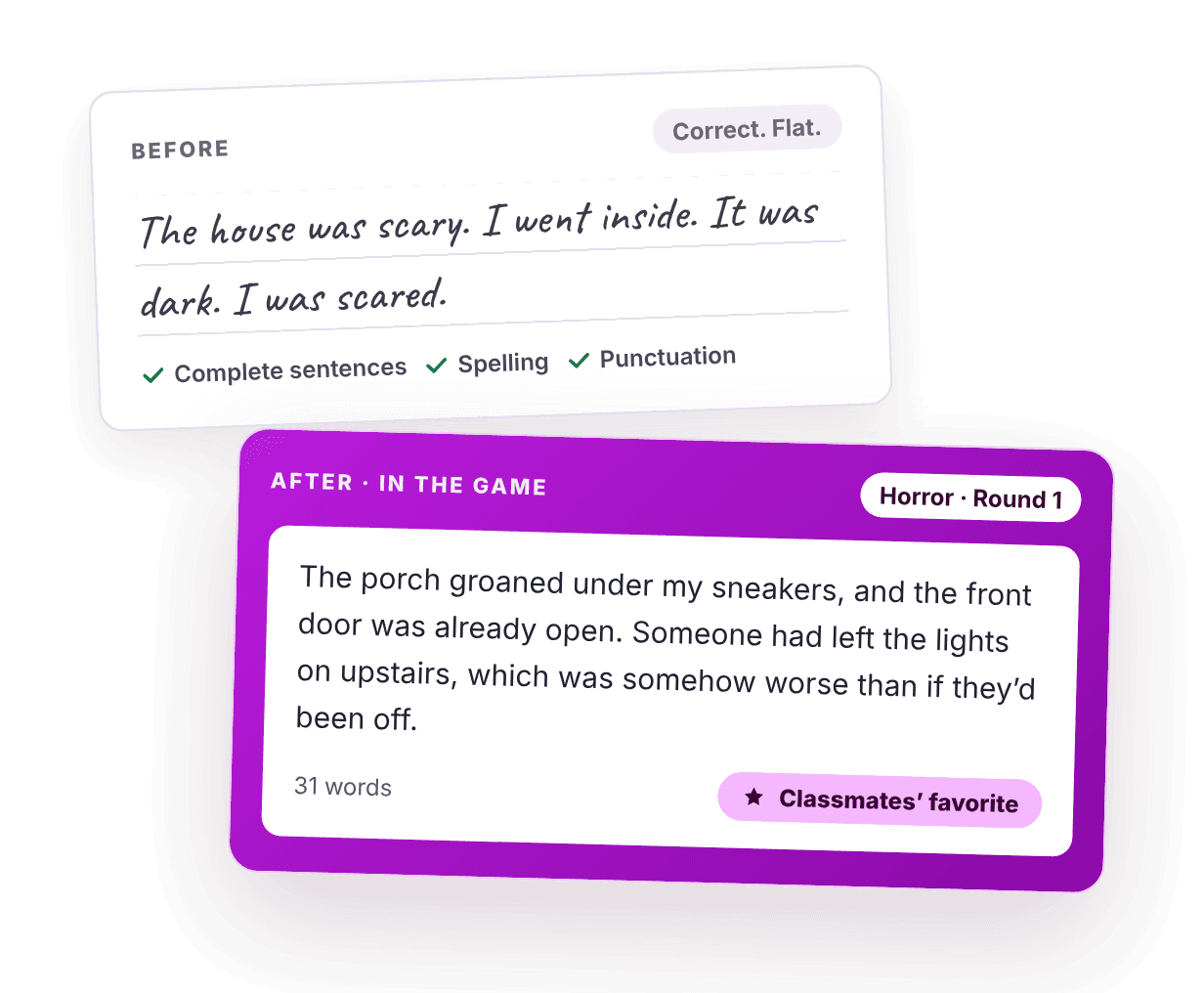
The spelling is fine. The paragraphs are in order. Every item on the checklist is there. And yet you could swap the name at the top with any other student’s and never notice. It’s correct, but it isn’t anyone’s.
The dog was big. It was scary.
Short, safe sentences built from the most general words in English. Nothing a reader can see, hear or feel.
Every box ticked.
Varied openers, a transition word, a strong conclusion. All there, and none of it sounds like a person wrote it.
The same story, every time.
When nothing sparks them, students fall back on the plot they’ve written before. Safe beats surprising.
Telling, not showing.
She was sad. “It was fun.” The feeling is named, never felt.
Written for the rubric.
They know exactly what earns the points, so they stop there. Taking a risk feels like a way to lose them.
Sounds like everyone else.
Formula phrases, borrowed ideas, maybe a little AI. The writing is polished, and the writer has disappeared.

Students aren’t out of ideas.They’ve just learned that following the formula is safer than sounding like themselves.
Why student writing turns flat. It’s rarely a lack of creativity.
The student who invents elaborate games at lunch has plenty of imagination. What flattens their writing usually happens before they put pen to paper.
Writing to a checklist
When students focus on what to include next instead of what they want to say, writing turns into box-ticking. The structure is there, but the person isn’t.
No real reader
In conversation, a listener reacts and asks for more, so detail comes naturally. On paper, the only reader already knows what they meant, so students leave the good parts out.
Topics they don’t care about
It’s hard to sound like yourself writing about something you have no stake in. Uninspired prompts get uninspired writing.
Borrowed words
Formula phrases, copied ideas and AI-polished sentences sound fine and say nothing. Every shortcut replaces the student’s voice with someone else’s.
You can’t assign voice. It shows up when students have a reason.
You teach the craft: exact words, sensory detail, sentences that move. What students need next is a place to use it where it actually matters, with a prompt they care about and a reader who reacts. That’s when the writing starts to sound like them.
So what if a writing game gave them a reason to sound like themselves?
Story Writing Lab gives every student a real audience, prompts worth writing about, and words that are only theirs. Flat writing turns into writing with a voice.

How Story Writing Lab works
One game. Room for every voice.
Sparks ideas
Play
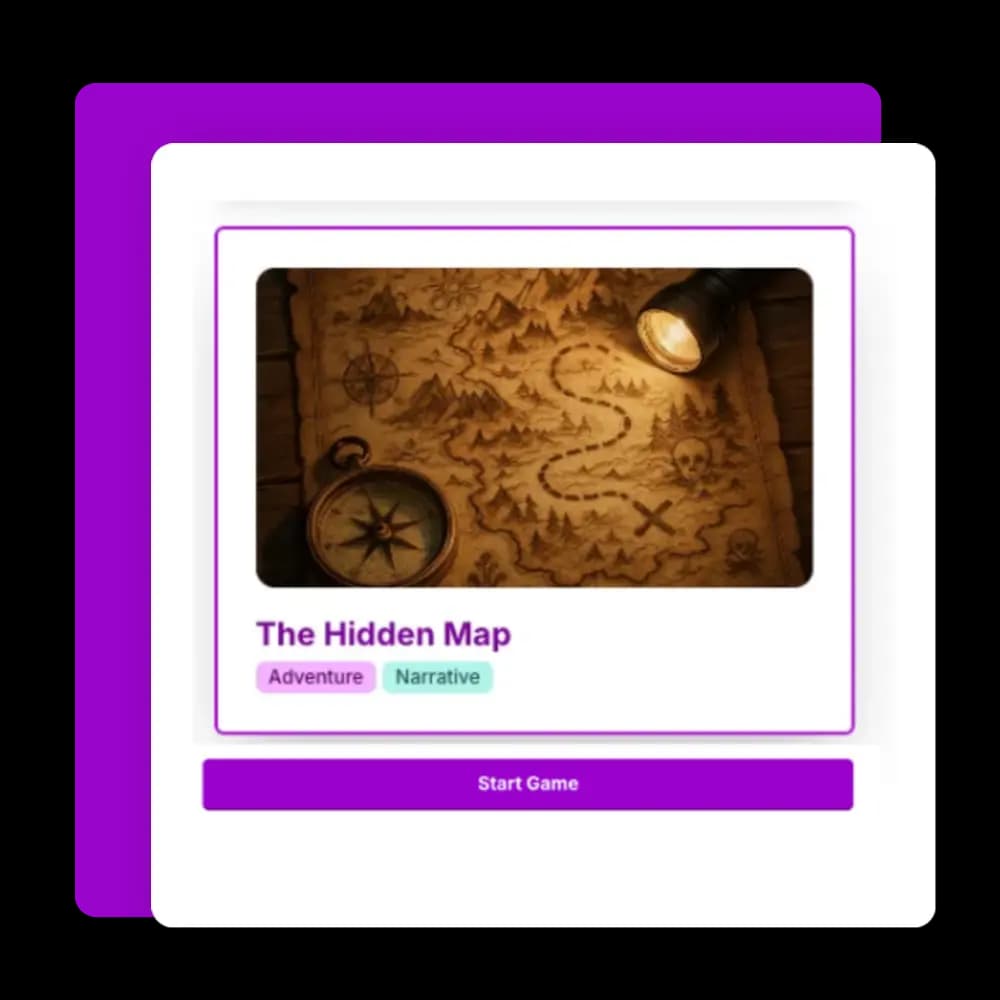
Every round starts with a specific prompt, in fiction or nonfiction, across a dozen topics and five writing styles. Many prompts ask for real writer’s choices, like making the reader feel something, so students write with a purpose, not a checklist.
Protect
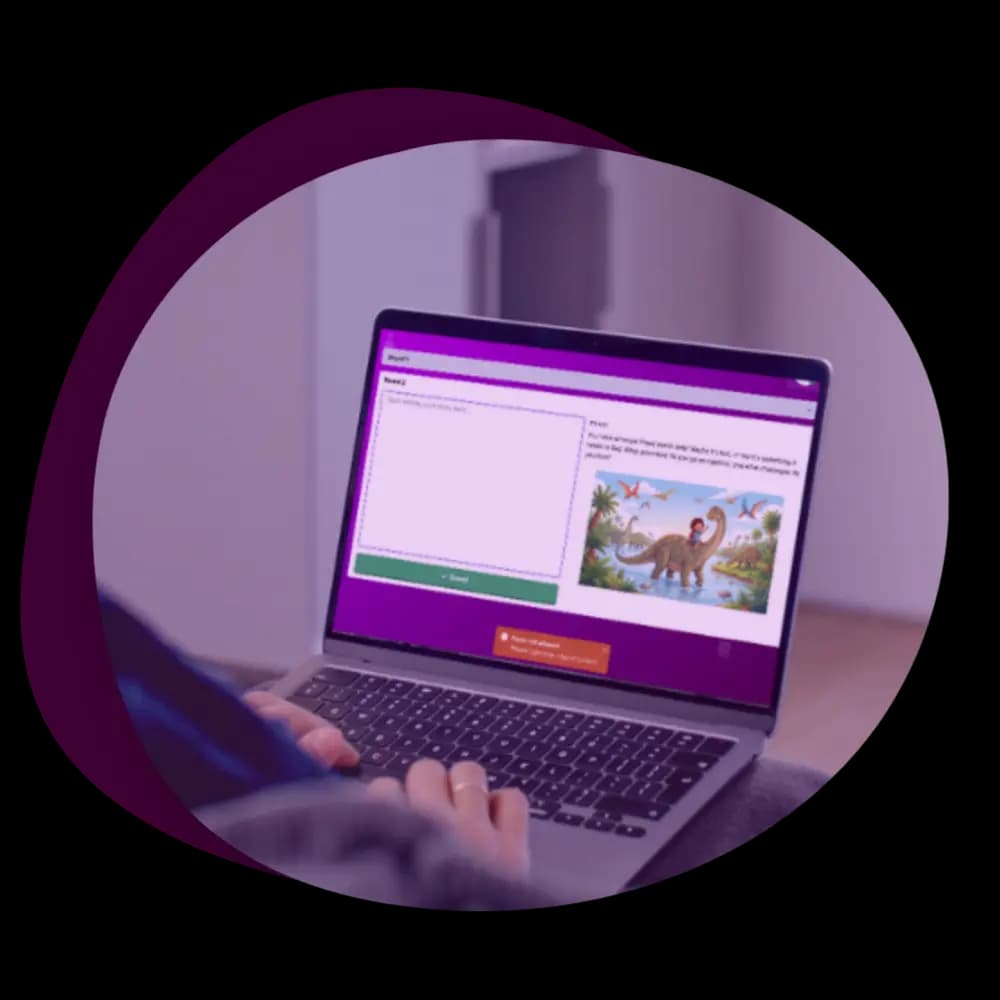
Copy-paste is disabled inside every challenge. Students can't paste in AI-generated text or copy someone else's paragraph. Whatever ends up on the screen is what that student actually typed, in real time.

Adds a reader
Read
After each round, classmates read each other’s stories and vote anonymously for their favorites. Students quickly notice which stories pull them in, and the safe, generic ones rarely do. They also hear a dozen different voices on the same prompt, which shows them there’s more than one way to say it, including theirs.
Understand
After every game, you see each student’s writing round by round, with word counts and feedback scored against your rubric, including state-test rubrics. You’ll see whose voice is starting to come through, and where to focus your craft lessons next.
What Teachers Are Telling Us
“
One of my students who's highly intelligent and often gets bored with normal writing assignments showed active engagement and enthusiasm. I love that it's timed and engaging. It breaks writing down into reasonable sections, pushes creative thinking, challenges them in a fun way, and prepares them for timed tests like state exams.
Kelsey Comer
Teacher
“
The number of available prompts is incredible, and there's always something relevant for my students. My students love that I can write for their favorite genre, it really makes them feel seen. This is a platform made by people who actually use it.
Amber van den Eshof
Teacher
Backed by
Texas Tech Accelerator
We have the support of the Texas Tech Accelerator in our mission to help students grow as writers. Read how we got here →Frequently Asked Questions
Every student has a voice. Give it a reader.
Set up your first game in under 2 minutes. No lesson plan required.