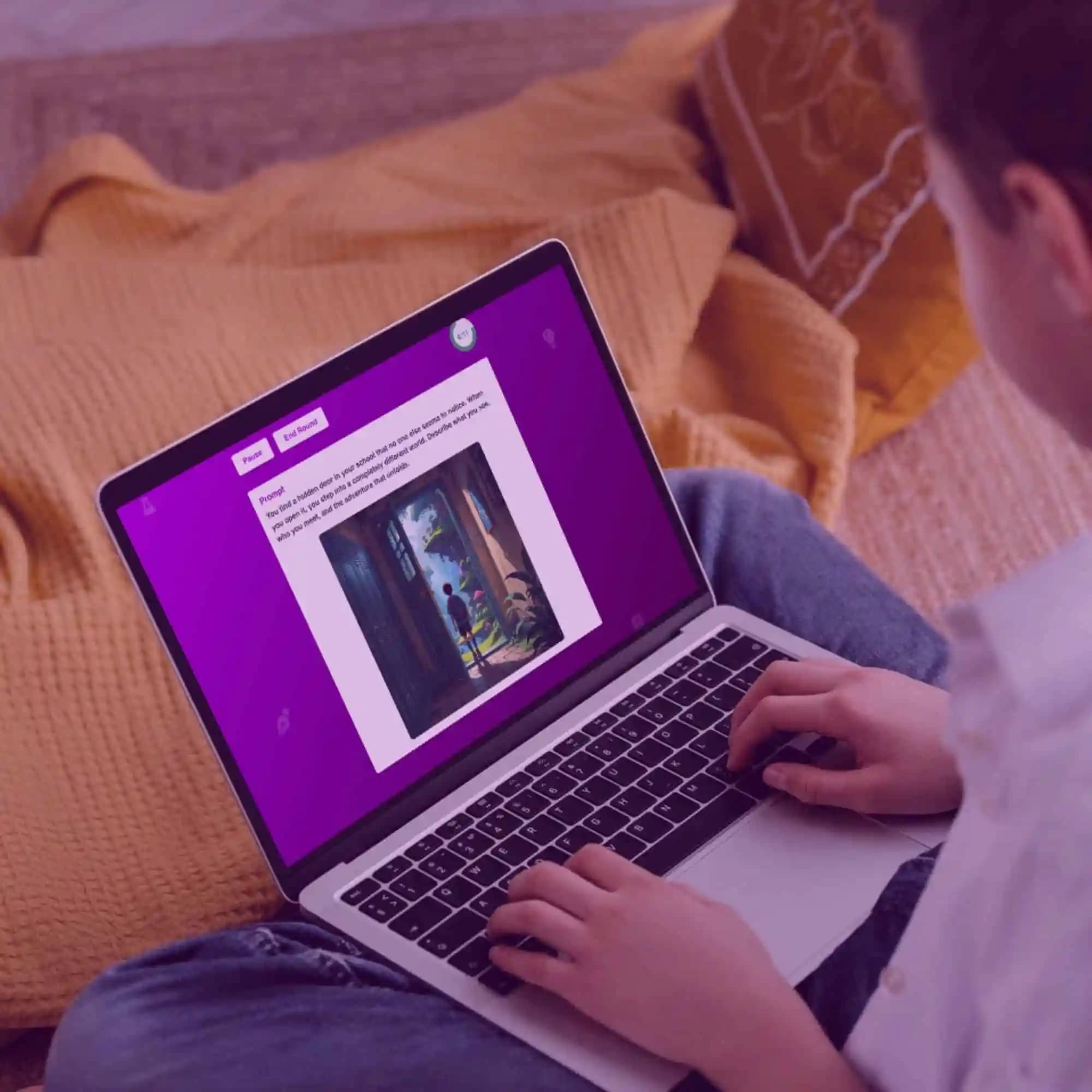
Beat writer’s block before the clock runs out.
Students waste writing time waiting for the perfect sentence. In Story Writing Lab, a blank page is the only way to lose points, so they start, practice, and improve.
No student accounts requiredSet up your first game in under 2 minutes

USED BY ELA TEACHERS IN SCHOOLS & CLASSROOMS LIKE




















You know the stare.
The prompt is up. Pencils are out. Ten minutes later, half the class has written their name and nothing else. Ask why and you hear the same thing: “I don’t know what to write.” They’re not out of ideas. They’re waiting for the right one.
“I don’t know what to write.”
It’s the most common sentence in writing class, and it’s rarely true. Ask the same student about their weekend and the ideas pour out.
Erase, rewrite, erase.
They’ve started five times and kept nothing. Every first line gets judged before the second one has a chance.
Waiting for the perfect idea.
Pencil up, they sit sure that a better idea is coming. It never does, so they never start.
“Can I finish it at home?”
When writing can wait, it does. Home turns into tomorrow, and tomorrow starts with the same blank page.
Copying the prompt back.
Restating the question feels safer than answering it. It fills a line without risking a real idea.
Time’s up, page empty.
The period ends before the writing begins. You have nothing to give feedback on, and they’ve missed another round of practice.
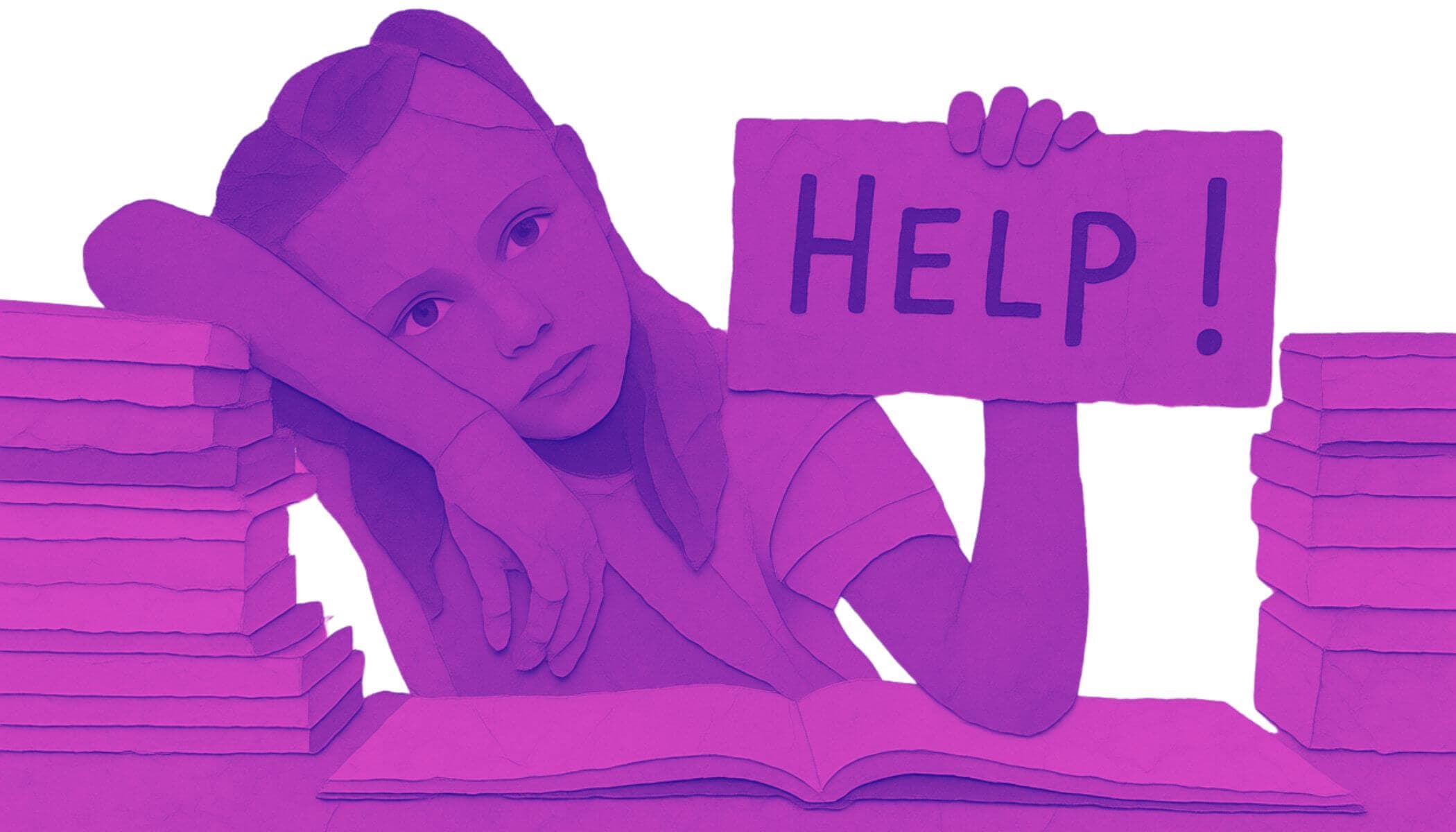
A blank page feels safer than a wrong sentence.So stuck writers choose the blank page, every time.
Why students get writer’s block. It’s rarely a lack of ideas.
Your students have plenty to say. What stops them almost always happens before the first word, and it usually comes down to one of these.
Waiting for perfect
Students think the first sentence has to be the right one, so they write, erase, and wait for something better. The blank page wins because nothing on it can be wrong.
Too many choices
“Write a story” leaves every decision to the student: who, where, what happens. Stuck writers can’t pick one, so they pick none.
Fear of being judged
If a teacher grades it or classmates might laugh at it, writing nothing feels safer than writing something wrong. Students protect themselves by never committing.
No reason to start now
Open-ended writing time has no finish line, and nothing happens if the page stays blank. So stuck writers keep waiting, and the period slips away.
Fluency comes from reps. Not from getting it right the first time.
Nobody writes it perfectly on the first try, not even the authors your students read. Writers improve by drafting, and drafts are easier to fix once something is on the page. It’s the same idea behind the quickwrites you already use: short, timed, low-stakes practice that gets words down.
So what if starting was the fun part, and a blank page cost you points?
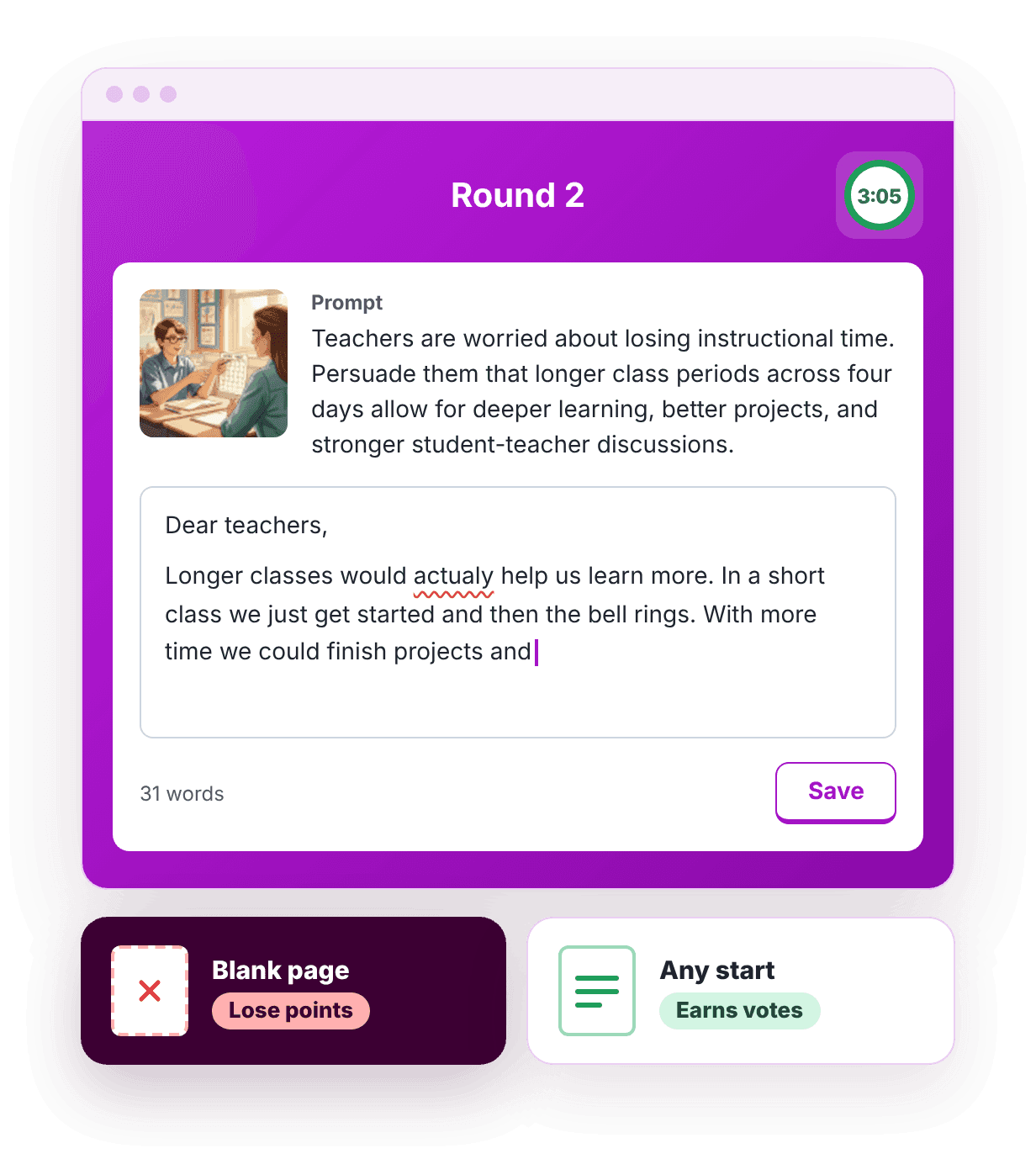
Story Writing Lab rewards progress over perfection. Short timed rounds, anonymous votes, and one rule: any start beats a blank page.

How Story Writing Lab works
One game. More reps, less waiting.
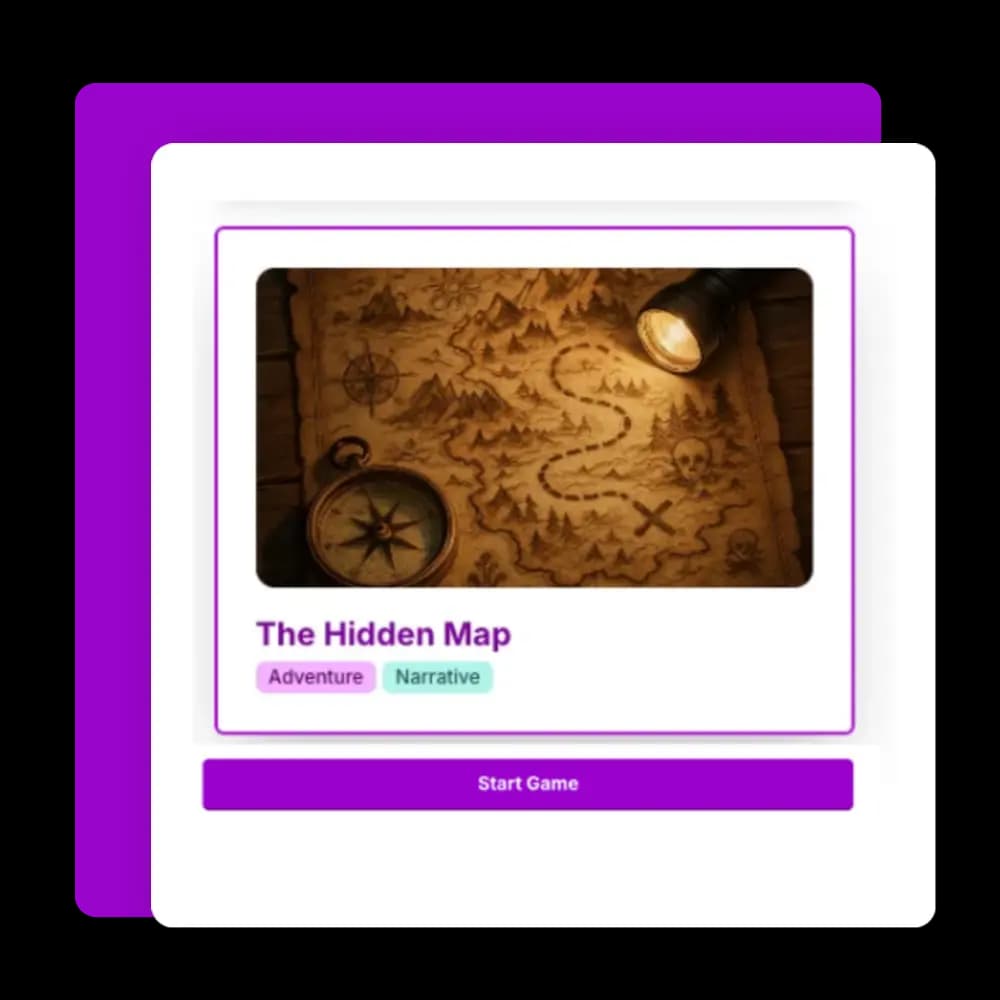
Forces a start
Play
Every round has a specific prompt and a clock. Write anything and you’re in the game. Write nothing and you lose points. Waiting for the perfect sentence stops being an option, and students start in the first minute instead of the tenth. Rounds are short and low stakes, so a rough start is expected, not judged.
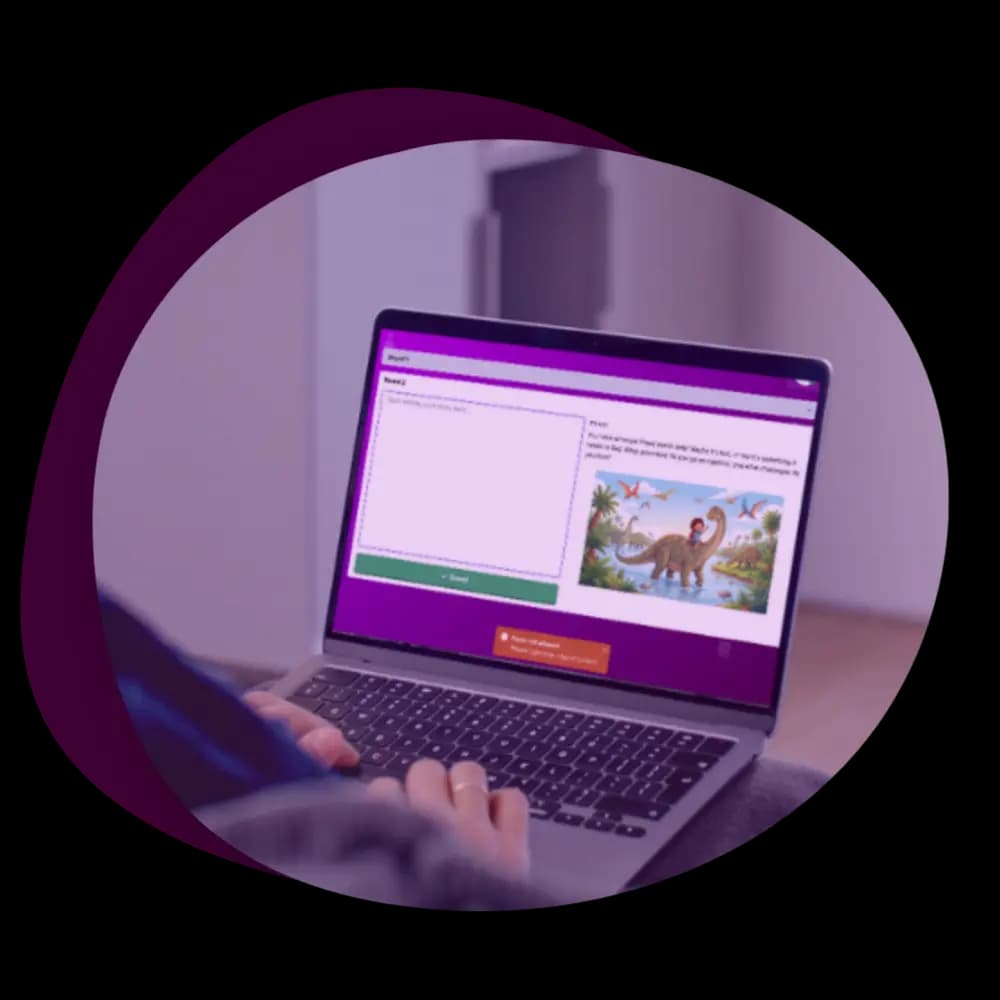
Protect
Copy-paste is disabled inside every challenge. Students can't paste in AI-generated text or copy someone else's paragraph. Whatever ends up on the screen is what that student actually typed, in real time.

Removes the fear
Read
After each round, classmates read each other’s stories and vote anonymously for their favorites. A blank page gets no votes, because there’s nothing to vote on. And seeing classmates’ rough drafts shows stuck writers something important: nobody’s first try is perfect, and a real start beats a perfect one that never happens.
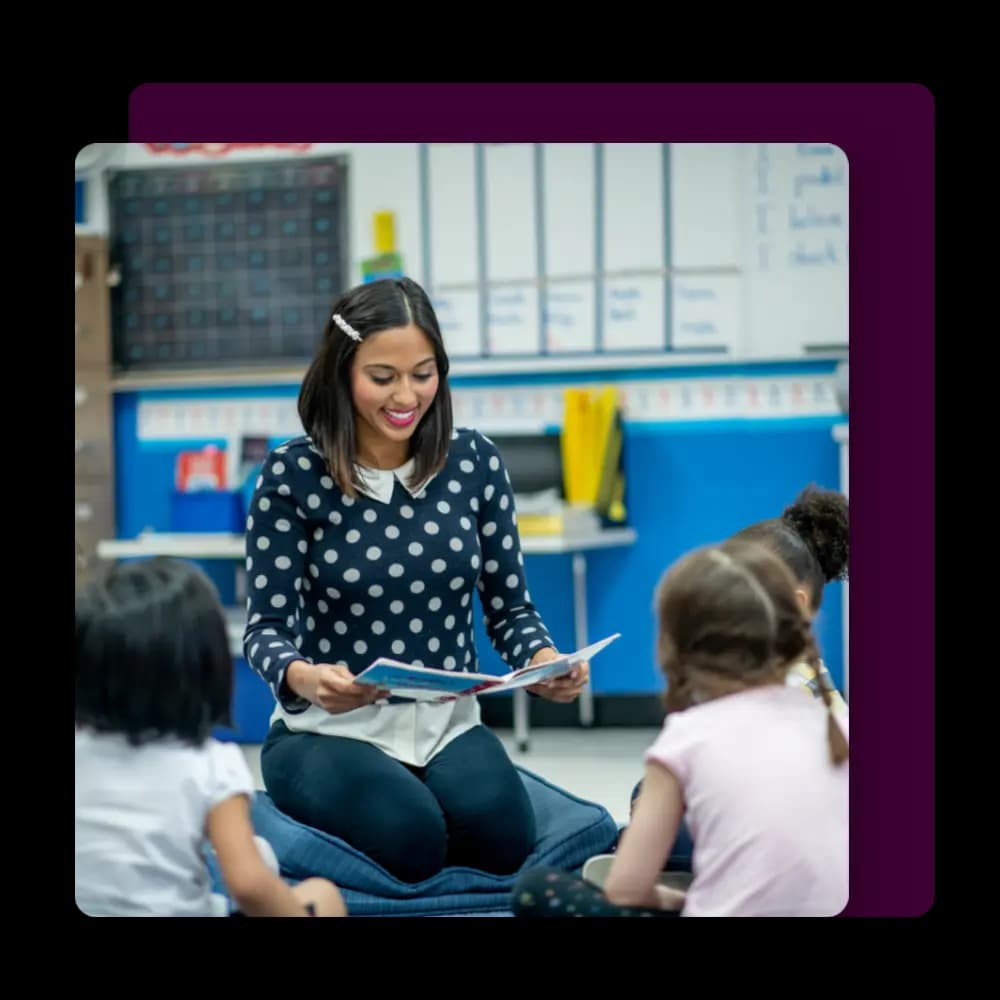
Understand
After every game, you see each student’s writing round by round, with word counts and feedback scored against your rubric, including state-test rubrics. You’ll spot who froze and who got going, and watch your stuck writers start faster, game after game.
What Teachers Are Telling Us
“
One of my students who's highly intelligent and often gets bored with normal writing assignments showed active engagement and enthusiasm. I love that it's timed and engaging. It breaks writing down into reasonable sections, pushes creative thinking, challenges them in a fun way, and prepares them for timed tests like state exams.
Kelsey Comer
Teacher
“
The number of available prompts is incredible, and there's always something relevant for my students. My students love that I can write for their favorite genre, it really makes them feel seen. This is a platform made by people who actually use it.
Amber van den Eshof
Teacher
Backed by
Texas Tech Accelerator
We have the support of the Texas Tech Accelerator in our mission to help students grow as writers. Read how we got here →Frequently Asked Questions
Any start beats a blank page.
Set up your first game in under 2 minutes. No lesson plan required.